Button

What is Button

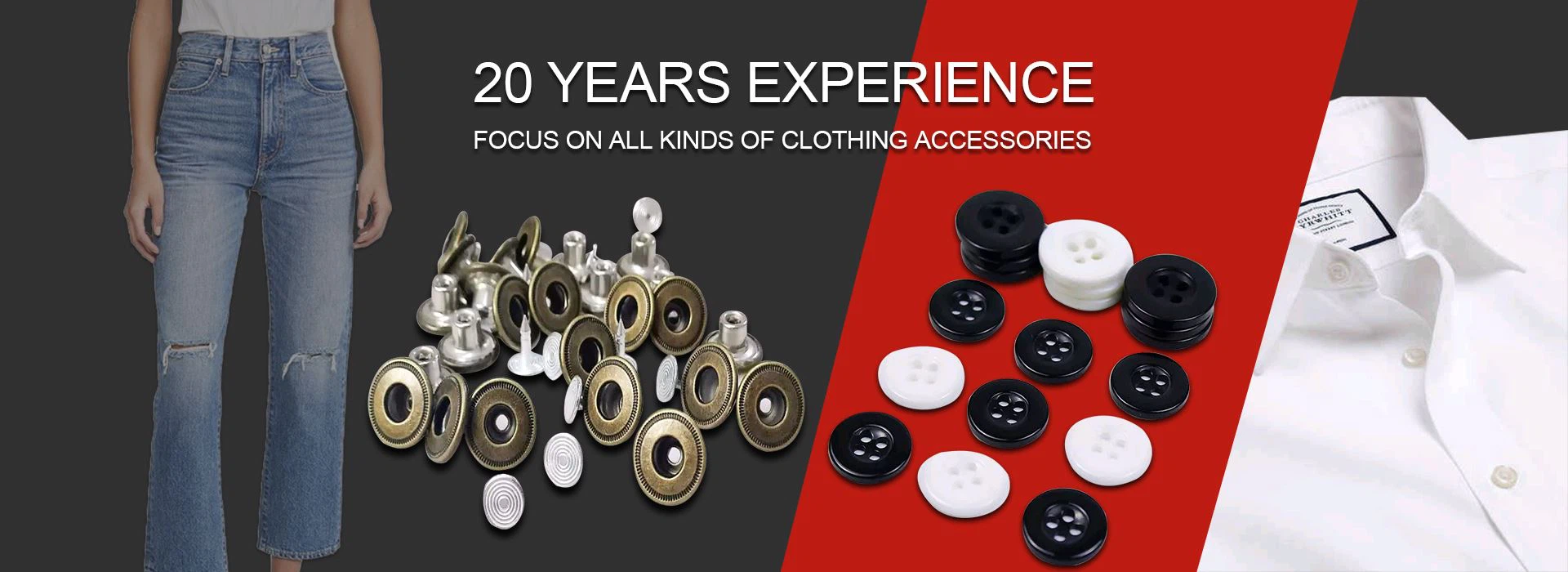
A button is a fastener that joins two pieces of fabric together by slipping through a loop or by sliding through a buttonhole. In clothing and fashion design, buttons are commonly made of plastic but also may be made of metal, wood, or seashell. Buttons can also be used on containers such as wallets and bags. Buttons may be sewn onto garments and similar items exclusively for purposes of ornamentation.

 
Advantages of Button
 
01/

High Practicality

Button can be used on a variety of clothing and items, such as shirts, pants, bags, etc., and are very practical.

02/

Diversity

Button can show colorful styles and personalities in various shapes, sizes, colors and materials, and can meet various consumer needs.

03/

Convenient And Practical

As an essential ingredient of clothing, button can easily fix two pieces of fabric together and are easy to use and maintain.

04/

Diverse Styles

Button are available in various styles, from classic to fashionable, from simple to gorgeous, making the entire garment more refined.

05/

Customizability

Button can be made according to specific needs, and consumers can choose different materials, colors, shapes and patterns to obtain unique buttons.

06/

Environmental Protection

The materials used in button production include wood, beads, natural fibers, etc. These materials are usually reusable, sustainable and environmentally friendly.


First 1234567 Last 1/9

Why choose us

High Quality

We take pride in the craftsmanship of our products and ensure that each one meets our strict standards for quality.

Competitive Price

We have professional sourcing team and cost accounting team, stive to reduce cost and profit and provide you a good price.

One-stop Solution

With rich experience and one-to-one service,we can help you choose products and answer technical questions.

Attractive Design

Every month, our design team will do pattern design based on the lastest fashion trend.


Types of Button
 

Rhinestone Button

Most of the time, it is made of glass or crystal, and it looks shiny and sparkly. These button can add a touch of glamor and elegance to any outfit, and they are often used on formal and evening wear.


Leather Button

Genuine leather and faux leather have been used to make buttons for a long time. Leather buttons are hard-wearing and add a distinguished look to jackets. One of the original leather button was known as the football button because it resembled an old leather football.


Resin Button

Button are made from resin, making them long-lasting with a beautiful shine. The resin can be clear or colored to look opaque and similar to a plastic button.


Metal Button

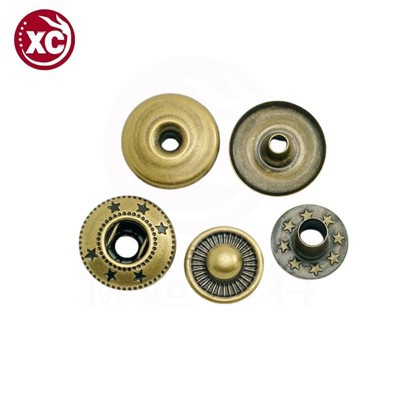
Button have been made in all types of metal, including aluminum, iron, stainless steel, brass, and even zinc alloy. Brass buttons have been very much a part of the military uniform for centuries.


Decorative Button

Buttons can be used for cuff links, lapel button, and other non-functional, decorative purposes. You can find fancy button on shirts and jackets, giving a tailored finish to many garments.


Wooden Button

Wood makes very unique long-lasting buttons. In their natural state, wood buttons have different textures and patterns, but they can also be painted in all sorts of colors.

Application of Button

Clothing

Button are an essential accessory for clothing, used to fix openings or decorations in clothing.

Home Decoration

Button can be used for home decoration, such as making pillows, curtains, tablecloths and other items.

1
2

Handbags And Luggage

Button can provide beautiful decoration for handbags, luggage, wallets, etc., and can help secure items.

Handicraft Production

By embroidering, drawing patterns or engraving on buttons, you can make a variety of beautiful handicrafts.

Button Production Process


Design

First, you need to design, and design different button styles and shapes according to the customer's requirements and needs. Designers typically use professional drawing software.

Material screening

Select relevant button materials, such as plastic, metal, wood or pearl shells, etc. According to customer needs, determine the color, size, shape, etc. of materials.

Mold making

Use computer-aided production tools, such as CNC, 3D printers, etc., to convert the designed patterns into mold files. After mold making, a complete button mold can be obtained.

Material cutting

Cut the button material according to the shape and size of the mold. The cutting tools used can be laser, waterjet or machine cutting.

Drawing

Paint the corresponding pattern, logo or text on the surface of the button.

Heat transfer

Push the drawn image pattern through the heat transfer machine to transfer the pattern from the printing paper to the button.

Assembly

Assemble the injection molded button buckle to the button to complete the finished product.

Quality inspection

Inspect the finished products to check their quality to ensure they meet customer requirements and national standards.

Packaging

Packaging of finished products, sub-packaging, folding bags and cardboard packaging according to customer needs.

Button maintenance and precautions


Magnetic Buttons

01.Cleaning And Maintenance

Clean the button surface and grooves regularly with a soft brush to keep it clean and tidy.

02.Avoid Moisture

Water is corrosive to the metal surface of buttons and may cause rust and discoloration. When using, try to avoid contact with water, and do not expose the buttons to humid environments.

03.Avoid Heavy Pressure

Since buttons are mostly made of metal, they may be damaged and deformed if they are accidentally pressed by heavy objects or clips.

04.Storage Note

When storing buttons, you should avoid friction, squeezing and prolonged exposure to sunlight. They should be placed in a cool and dry place and avoid contact with other metals or chemicals.

05.Prevent Contact With Chemicals

Avoid letting the buttons come into contact with chemicals, cleaning agents or corrosives and other strong acids and alkalis to avoid damaging the metal materials on the surface.

06. Proper Maintenance

The surface of the button may darken or lose its luster. At this time, you can use some metal polish or professional button polishing fluid to clean and polish it to restore its luster.
What Are Buttons Made Of
 

Buttons can be made from a wide range of materials, including natural materials like wood, horn, and shell, as well as synthetic materials such as plastic, metal, and fabric.


Wooden buttons are usually made from different types of wood, including oak, rosewood, coconut, and bamboo. They can be cut from solid wood or layered from thin sheets of wood, often with grain patterns and wood textures visible. Wooden buttons are suitable for casual garments and home décor.


Horn buttons are similar to bone buttons in appearance, but they are slightly harder and more polished. Horn buttons are made from buffalo or ox horns, which can be dyed or polished to produce a glossy finish.


Shell buttons are produced from various types of sea shells, including mother-of-pearl, abalone, and conch. They are often used in high-end fashion and are prized for their iridescent colors and unique patterns.


Plastic buttons are the most commonly used types of buttons, made from man-made polymers such as polyester, nylon, and acrylic. Plastic buttons are lightweight, durable, and easy to produce. They come in a wide variety of colors, shapes, and styles, making them perfect for mass production.


Metal buttons, typically made from alloys like brass, copper, and pewter, give a more luxurious look to garments and accessories. Metal buttons can be engraved, embossed, and finished with different coatings to achieve different colors and textures.


Fabric-covered buttons are often used in garments where matching buttons to the fabric is preferred. These buttons are made by wrapping the base in the same fabric as the garment, often using a special machine to ensure a smooth, even finish.


Buttons are made from a range of materials, each with its own unique properties and benefits. From natural materials like wood and shell to synthetic materials like plastic and metal, buttons can be found in a wide array of shapes, colors, and designs, suitable for any type of garment, accessory, or home decorate.

How Can Buttons Be Incorporated Into Home Decor


Buttons can add a touch of charm and character to any home decor. Whether you have a vintage or modern theme, there are many creative ways to incorporate Buttons into your home design.


One simple way to use buttons is to sew them onto a cushion cover or pillowcase. This can add texture and interest to plain or solid-colored fabrics. For a unique touch, you can create a pattern or shape using different sizes and colors of buttons.


Another creative idea is to make a buttons art piece. This can be done by gluing buttons onto a canvas or board to create a design or image. You can also use buttons to add a border or frame to existing artwork or photos.


Buttons garlands can also be a fun way to add a pop of color to your home decor. Stringing buttons together using thread or ribbon can create a whimsical and playful look. These garlands can be hung from a mantel, draped across a shelf, or used as a decorative accent on a wall.

How To Choose Buttons


Buttons are small accessories that are often used in our daily lives. Their uses include fixing the opening and closing of clothing, beautifying the appearance of clothing, etc. As fashion trends continue to change and people's requirements for quality increase, choosing the right buttons has become a detail issue. Here are a few things to pay attention to when choosing buttons.


The material of the Buttons should be selected according to your needs. Buttons are made of many kinds of materials, including plastic, metal, wood, resin, etc. Plastic buttons are suitable for thin summer clothes, while metal buttons are superior in terms of quality and durability, while wood and resin buttons pay more attention to their aesthetics.


Choose buttons according to the style and color of the garment. Different clothing styles require different accessories, and the same goes for buttons. The buttons suitable for formal clothing such as shirts and suits are mostly flat and simple in design, while casual wear is more about creativity and personalization. The color should also match the color of the clothing or form a sharp contrast.


You also need to consider the quality of the buttons. A comprehensive evaluation can be made from aspects such as purchasing channels, brands, and production processes. Choosing buttons from well-known brands and exquisite production technology can ensure their quality and service and avoid problems with small accessories that affect the wearing experience.

Our Factory
 

Wuxi Xinchao Accessories is a manufacturer of apparel metal accessories. It has perfect testing facilities and strong technical force. With excellent quality, reasonable price and novel style, it is widely used in clothing, footwear, luggage and other industries. Our products have been widely recognized and trusted by users, and can meet the changing economic and social needs. We welcome new and old customers from all walks of life to contact us with a view to future business relations and common success!

1


FAQ


Q: What is the use of a button?

A: A button is a fastener that joins two pieces of fabric together by slipping through a loop or by sliding through a buttonhole. In modern clothing and fashion design, buttons are commonly made of plastic but also may be made of metal, wood, or seashell. Buttons can also be used on containers such as wallets and bags.

Q: What is the shirt button?

A: Buttons are small hard objects sewn on to shirts, coats, or other pieces of clothing. You fasten the clothing by pushing the buttons through holes called buttonholes.

Q: What is the most popular type of button?

A: The most typical sort of button is flat, and they typically have two or four holes in the middle and are extremely flat. They can be constructed of wood, metal, glass, or even ceramic, and are simple to connect by hand or with a sewing machine, particularly when using a thin thread or yarn.

Q: What are the different types of buttons on clothes?

A: There are various types of buttons available for men's apparel, such as plastic, metal, wood, shell, and horn buttons. The type of button used depends on the garment's style, the fabric, and the overall look that the designer wants to achieve.

Q: What is a button in sewing?

A: Sewing buttons are a type of fastener attached to a garment in order to secure an opening either by passing it through a loop or a buttonhole. It can be made of various materials, including wood, horn, metal and mother of pearl, as well as plastic. Sewing buttons vary in shapes, sizes, colors and designs.

Q: What are the Levis buttons called?

A: Patented by Levi Strauss, these buttons are called rivets and they're there to make sure your denim holds up to the wear and tear your body puts it through as you move about each day.

Q: What do old buttons look like?

A: Most vintage metal buttons were made from brass or copper. Sterling, Gold or Pewter buttons were much less common. Some metal buttons were ornamental and some were embossed with patterns or pictures. One of the most sought after metal buttons is any brass picture button from the Victorian era.

Q: What is the most common type of button?

A: The most common type of button is plastic, which is frequently more economical than metal. Wood buttons are another choice, but they are less prevalent than metal or plastic buttons. Although less resilient than other types of sewing buttons and often more elusive, glass buttons are also available.

Q: What is fabric buttons?

A: A button is a fastener that joins two pieces of fabric together by slipping through a loop or by sliding through a buttonhole.

Q: How many types of shirt buttons are there?

A: There are 15 distinct all kinds of buttons for clothing, and the materials include metal, polyester, fabric, leather, pearl, wood, horn, coconut, rubber, plastic, and pearl. They can generally be divided into categories based on the button's material, purpose, size, eyelet, form, etc.

Q: Why do shirts have 2 buttons?

A: Two buttons on the shirt sleeves allow an even amount of shirt cuff to be shown on both of the arms so that one can always look smart. Secondly, the buttons allow for an even amount of shirt cuff to be shown on both arms so one can always look smart.

Q: What is the definition of a button?

A: A small knob or disk secured to an article (as of clothing) and used as a fastener by passing it through a buttonhole or loop. a usually circular metal or plastic badge bearing a stamped design or printed slogan. campaign button.

Q: What is a button used for?

A: A button is a fastener that joins two pieces of fabric together by slipping through a loop or by sliding through a buttonhole. In modern clothing and fashion design, buttons are commonly made of plastic but also may be made of metal, wood, or seashell. Buttons can also be used on containers such as wallets and bags.

Q: What is a button and how does it work?

A: Button, usually disklike piece of solid material having holes or a shank through which it is sewed to one side of an article of clothing and used to fasten or close the garment by passing through a loop or hole in the other side. Purely decorative, nonutilitarian buttons are also frequently used on clothing.

Q: What are the two uses of buttons?

A: Buttons can be used for garment closure and as a decorative touch to a garment. The choices available for buttons is endless and can allow for individualization of a garment. Sew- through buttons are flat with two or more holes and can be sewn on by hand or a machine.

Q: What is the most common type of button?

A: The most common type of button is plastic, which is frequently more economical than metal. Wood buttons are another choice, but they are less prevalent than metal or plastic buttons. Although less resilient than other types of sewing buttons and often more elusive, glass buttons are also available.

Q: What are the buttons without holes called?

A: Shank buttons are buttons without holes through the top. They have a shank underneath to sew the button onto the garment.

Q: What are Rouleau buttons?

A: Rouleau button loops are small loops made of cording. This fine closure takes the place of buttonholes and works well with lightweight or medium-weight fabrics. Rouleau button loops are often seen at the top of keyholes, or down the center back of cocktail dresses and gowns.

Q: What are the holes in a button called?

A: A buttonhole is a reinforced hole in fabric that a button can pass through, allowing one piece of fabric to be secured to another. The raw edges of a buttonhole are usually finished with stitching. This may be done either by hand or by a sewing machine.

Q: What is a flat shank button?

A: Shank buttons have a hollow loop on the back through which thread is sewn to attach the button to the fabric, while sew-through, or flat, buttons have either two or four holes through which the thread is sewn. The third type, stud or tack buttons, are the types found on jeans.

We're professional button manufacturers and suppliers in China, specialized in providing high quality custom service and OEM service. We warmly welcome you to wholesale high-grade button for sale here from our factory. For price consultation, contact us.

metal blazer buttons, buttons and buckles, steel spring hook

(0/10)

clearall