


Trouser Hook And Bar
Pants Trouser Hooks are made of high-quality metal that resists rusting and fading. Perfect for all kinds of sewing activities, you can use them to fix your torn pants, dresses, skirts, trousers, slacks, sweaters, and more. We can also provide different metal materials and sizes according to your needs.
Your Professional Trouser Hook Supplier
Wuxi Xinchao Garment Accessories Co., Ltd. was established in 2000. It is a professional manufacturer of hardware stamping parts.
Why Choose Us
Rich Experience
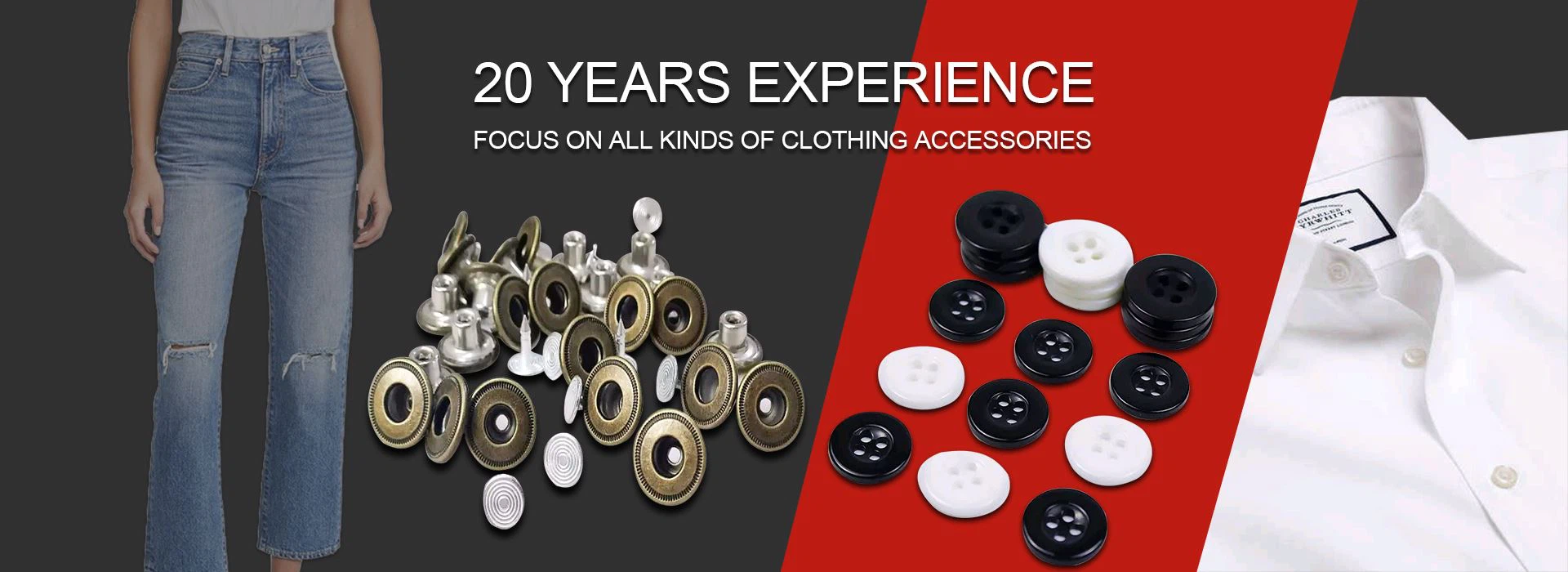
We have more than 20 years of experience in hardware stamping parts. Our products have been widely recognized and trusted by users, and can meet the changing economic and social needs.
Wide Product Range
We produce buttons, chicken's eyes, thread clasps, rope clips, alloy parts, hand press and matching moulds, clothing, shoes and hardware accessories, with copper, iron, stainless steel, and other materials.
Customization Service
We provide OEM or sample (drawing) customization services. Besides, we also have various surface treatments, including plating, painting, etc. Customers are welcome to contact us to establish business relations and mutual success!
Quality Assurance
Wuxi Xinchao Accessories is a manufacturer of apparel metal accessories. It has perfect testing facilities and strong technical force. We have 3 production lines for manufacturing, and pride in the craftsmanship of our products, ensuring that each one meets our strict standards for quality.


Trouser hooks are small metal or plastic pieces used to fasten the waistband of trousers. Trouser hooks can be preferred as an alternative to other closure methods such as buttons, zippers, or snaps. The advantages of trouser hooks include taking up less space, being easier to attach and remove, and being more durable. The disadvantages of trouser hooks are that they may loosen over time, they cannot fully tighten the waist of the trousers, and they are visible on upper garments worn over the trousers.
Advantages of Trouser Hook
Secure and Reliable Closure
First and foremost, trouser hooks provide a secure and reliable closure for pants. They are designed to hold the waistband firmly in place, preventing the trousers from slipping or coming undone during regular wear. This is especially important for individuals who lead active lifestyles or engage in physical activities where a secure waistband is crucial. The hook ensures that the trousers stay in position, providing comfort and peace of mind.
Simplicity
Another advantage of trouser hooks is their simplicity and ease of use. Unlike other closure mechanisms like buttons or zippers, hooks are quick and effortless to fasten and unfasten. With a simple hook-and-eye mechanism, users can easily secure or release the waistband without the need for intricate maneuvers or excessive force. This convenience is particularly appreciated in situations where speed and efficiency are desired, such as when dressing in a hurry or during bathroom breaks.
Aesthetics
Furthermore, trouser hooks contribute to the overall aesthetics and appearance of pants. They are often located at the center front of the waistband, creating a clean and polished look. The metallic finish of the hook adds a touch of sophistication and elegance to the garment, elevating its visual appeal. This small detail can make a significant difference in the overall impression of the trousers, enhancing the wearer's style and confidence.
Durability
Durability is another notable advantage of trouser hooks. Made from sturdy materials like metal, they are designed to withstand regular wear and tear. Unlike buttons that can become loose or pop off over time, hooks maintain their integrity and functionality for extended periods. This durability ensures that the trouser closure remains intact, providing long-lasting reliability and convenience.
Versatility
In addition to their functional advantages, trouser hooks also offer versatility. They can be used in various types of trousers, ranging from formal dress pants to casual jeans. The universal nature of trouser hooks allows them to be integrated seamlessly into different styles and designs, making them a versatile closure option for pants of all kinds.
Adjustable
Furthermore, trouser hooks are often adjustable, providing a customizable fit for the wearer. The hook can be positioned at different points along the waistband, allowing for minor adjustments to accommodate individual preferences or changes in body size. This adjustability ensures a comfortable and tailored fit, enhancing the overall wearing experience.
Compatibility
Another advantage of trouser hooks is their compatibility with other closure mechanisms. They can be used in conjunction with buttons, zippers, or even drawstrings, offering multiple options for securing the waistband. This versatility allows designers and manufacturers to incorporate various closure methods into their trouser designs, catering to different preferences and needs.
Replaceable
Lastly, trouser hooks are relatively inexpensive and easily replaceable. In the event that a hook becomes damaged or worn out, it can be easily replaced without the need for significant repairs or alterations. This cost-effective solution ensures that the functionality and aesthetics of the trousers can be restored without investing in a new garment.
Types of Trouser Hook
Metal Trouser Hook
One of the most common materials used for trouser hooks is metal, particularly brass or stainless steel. These metals are favored for their strength and durability, making them ideal for withstanding the regular wear and tear associated with daily use. Brass, in particular, is known for its corrosion resistance and attractive golden hue, adding a touch of elegance to the garment. Stainless steel, on the other hand, offers exceptional strength and resistance to rust, ensuring longevity and reliability in various environmental conditions.
Plastic Trouser Hook
Another material commonly used for trousers hook bars is plastic. Plastic hook bars are lightweight and cost-effective, making them popular choices for casual or budget-friendly trousers. While not as durable as metal, plastic hook bars can still provide sufficient closure and stability for everyday wear. Additionally, plastic hook bars can be manufactured in a wide range of colors, allowing for customization and coordination with the garment's design.
Wood Trouser Hook
Wood is another material occasionally used for trousers hook bars, although less common than metal or plastic. Wooden hook bars offer a unique aesthetic appeal, adding a rustic or natural element to the trousers' design. While not as durable as metal or plastic, wooden hook bars can provide adequate closure for certain types of trousers, particularly those with a more casual or artisanal aesthetic.
Composite Materials Trouser Hook
In some cases, trouser hooks may also be made of composite materials, which combine the advantages of different materials to enhance functionality and durability. Composite hook bars may consist of a metal core encased in a plastic or rubber coating, offering the strength of metal with the added grip and comfort of a softer material. These hybrid hook bars provide a balance of durability and flexibility, making them suitable for a wide range of trousers.
Manufacturing Process of Trouser Hook
The process of manufacturing trouser hooks involves several steps, from the selection of materials to the final assembly of the components. This intricate process ensures the production of high-quality hooks that meet the standards of durability, functionality, and aesthetics demanded by the fashion industry.
Material Selection
The first step in the process is the careful selection of materials. As discussed earlier, trouser hooks can be made from various materials, including metal (such as brass or stainless steel), plastic, wood, or composite materials. The choice of material depends on the desired characteristics of the final product, such as strength, durability, aesthetic appeal, and cost.
Material Processing
Once the materials are chosen, they undergo processing to shape them into the required components. For metal hooks, this involves cutting, shaping, and possibly heat treatment to achieve the desired strength and form. Plastic hooks may be molded into shape, and wood hooks may be carved and polished to enhance their aesthetic appeal.
Surface Finishing
The surface finish of trouser hooks is a critical aspect of their appearance and functionality. Metal hooks, for example, may undergo processes such as polishing, plating, or coating to enhance their visual appeal and provide additional protection against corrosion. Plastic hooks may be dyed or coated for customization and added durability.
Component Assembly
Trouser hooks typically consist of two main components: the hook and the eye. The hook is attached to one side of the waistband, while the eye is attached to the other. The components are carefully assembled, ensuring a secure and reliable connection. This process may involve welding, soldering, or other joining techniques, depending on the material used.
Quality Control
Throughout the manufacturing process, quality control measures are implemented to ensure that each trouser hook meets the required standards. This involves inspecting the materials for defects, checking the dimensions and tolerances of each component, and testing the strength and functionality of the assembled hook. Any hooks that do not meet the specifications are rejected to maintain quality consistency.
Packaging
Once the trouser hooks pass quality control, they are carefully packaged for distribution. Packaging may include labeling, instructions, and protective measures to prevent damage during transit. The packaging also contributes to the overall presentation of the product, especially in cases where the hooks are sold directly to consumers.
Maintaining trouser hooks is essential for ensuring their longevity and optimal functionality. Here are some maintenance tips to keep your trouser hooks in top condition:
Regular Cleaning: Dirt, sweat, and oils from the body can accumulate on trouser hooks over time, leading to corrosion or deterioration. Regularly clean the hooks with a soft cloth dampened with mild soap and water. Avoid abrasive cleaners or harsh chemicals that can damage the surface finish.
Drying: After cleaning, ensure that the hooks are thoroughly dried to prevent moisture buildup, which can promote rust or corrosion. Use a dry cloth to wipe off excess moisture, and allow the hooks to air dry completely before using or storing them.
Inspect for Damage: Periodically inspect the hooks for any signs of damage, such as bends, cracks, or loose components. Damaged hooks should be repaired or replaced promptly to prevent further issues and ensure secure garment closure.
Avoid Excessive Force: When fastening or unfastening trousers, avoid applying excessive force to the hooks, as this can cause bending or deformation. Handle the hooks with care to maintain their structural integrity and functionality.
Store Properly: When not in use, store trousers with hook closures in a cool, dry place away from direct sunlight and moisture. Avoid hanging trousers on hooks for extended periods, as this can cause strain on the hooks and distort their shape.
Address Corrosion Promptly: If you notice any signs of corrosion on metal hooks, such as rust or discoloration, address the issue promptly to prevent further damage. Use a rust remover or metal polish to clean the affected area, followed by a protective coating to prevent future corrosion.
Avoid Harsh Conditions: Avoid exposing trouser hooks to harsh environmental conditions, such as extreme temperatures or humidity, as these can accelerate corrosion or deterioration. If wearing trousers in such conditions, ensure they are properly cleaned and dried afterward.
Follow Manufacturer's Instructions: If the trousers come with care instructions from the manufacturer, follow them carefully to ensure proper maintenance of the hooks and the garment as a whole.
Common Problems of Trouser Hook
Hot Tags: trouser hook and bar, China trouser hook and bar suppliers, manufacturers, leopard print button up, plastic heart buttons, button down shirts, wood butterfly buttons, stainless steel marine hooks, Trouser Hook And Bar


Send Inquiry
