What Are Snap Fasteners? Components, Types and Common Applications Explained
Sep 17, 2026
Snap fasteners are widely used in garment manufacturing because they allow clothing and textile products to open and close quickly without buttons and buttonholes. They are commonly found on jackets, shirts, baby clothing, workwear, bags and other products that require a convenient fastening method.
For manufacturers, choosing snap fasteners involves more than selecting a style or finish. The fastener must work with the fabric, withstand the intended use and remain securely attached throughout production and wear.
How Do Snap Fasteners Work?
A snap fastener uses two mating parts that press together and hold through mechanical engagement. When the parts are pulled apart with sufficient force, they release.
Unlike sewn buttons, snap fasteners generally require a setting process to attach the components to the fabric. The finished result depends on the fastener design, the fabric construction and the installation tooling.
A snap that works well on a lightweight shirt may not be suitable for a thick jacket or a heavy canvas bag. The correct choice depends on how the product will be used and how the fastener will be installed.
The Main Components of a Snap Fastener
A typical four-part snap fastener consists of the following components:
Cap: The visible outer part of the snap. It can have a plain, polished, colored or decorative surface.
Socket: The receiving component that engages with the stud.
Stud: The mating component that fits into the socket to close the fastener.
Post or backing component: The part that helps secure the snap through the fabric during installation. Its design varies by snap construction.
The exact component design depends on the snap fastener type. When ordering replacement parts or developing a new garment, manufacturers should confirm that all components belong to the same compatible snap system.
Common Types of Snap Fasteners
Different snap fasteners serve different production and end-use requirements. The most useful distinctions for buyers are material, fastening strength, appearance and compatibility with the installation process.
1. Metal Snap Fasteners
Metal snaps are commonly used on denim jackets, coats, shirts, uniforms and bags. Depending on the material and construction, they can provide a solid fastening feel and a range of surface finishes.
When sourcing metal snaps, buyers should check the base material, finish requirements, fabric compatibility and intended opening and closing frequency. Appearance alone is not enough to determine suitability.
2. Plastic Snap Fasteners
Plastic snaps are often used on baby clothing, lightweight garments and products where a non-metallic fastening component is preferred. Their suitability depends on the design, material and conditions of use.
For bulk production, manufacturers should test how the snaps attach to the selected fabric and whether the finished product meets the required durability and appearance standards.
3. Decorative Snap Fasteners
Decorative snaps combine a fastening function with a visible design element. They may feature distinctive colors, finishes, shapes or surface details.
For fashion products, the cap is often important to the overall appearance. Buyers should approve the actual finish and color before mass production, since a sample photograph may not accurately represent the final surface.
4. Heavy-Duty Snap Fasteners
Heavy-duty snaps are designed for applications that require a more robust fastening system, such as workwear, outerwear and certain bags or textile products.
However, a larger or stronger snap is not automatically the right choice. The fastener must be compatible with the fabric thickness and construction, and the installation process must secure it without damaging the surrounding material.
Where Are Snap Fasteners Commonly Used?
Snap fasteners appear across several product categories, but the requirements differ by application.
Jackets and coats: Fasteners must work with the garment's fabric layers and intended frequency of use.
Shirts and casual clothing: Size, appearance and comfortable operation are often important.
Baby and children's clothing: Component suitability, secure attachment and applicable product-safety requirements need careful consideration.
Denim and workwear: Fabric thickness and repeated opening and closing can affect fastener selection and installation.
Bags and textile accessories: The fastener must suit the material structure and the forces placed on the closure during use.
These differences are why a snap fastener should be selected for the finished product rather than chosen solely by appearance or nominal size.
How to Choose Snap Fasteners for Bulk Production
Match the snap to the fabric
Fabric thickness, density, stretch and layering affect how a snap can be installed and how securely it stays attached. A fastener suitable for woven cotton may not perform the same way on knit fabric, padded material or coated textiles.
Before confirming an order, test the snap on the actual production fabric, including any lining or reinforcement used around the fastening point.
Check the opening and closing action
A snap that is too difficult to open can make a garment inconvenient to use. One that releases too easily may fail during normal wear.
Evaluate the fastening action on installed samples. Where a product has specific performance requirements, agree on an appropriate test method and acceptance criteria with the supplier.
Confirm the finish on the actual sample
Color and surface finish affect the final appearance, particularly when snaps are visible on the garment. Confirm the required finish, color and appearance using a physical sample where possible.
If the product will be exposed to moisture, washing or demanding working conditions, discuss the relevant corrosion or finish-durability requirements before production.
Verify the setting die and installation method
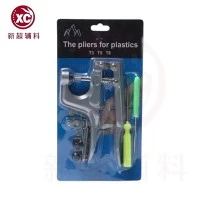
Snap fasteners must be installed with compatible tooling. An unsuitable setting die, incorrect alignment or inappropriate press adjustment can deform components, produce loose attachments or damage the fabric.
Before bulk production, confirm that the snap components and setting die are compatible with the equipment being used. Run installation trials and inspect the results before approving the process.
Approve a production sample
A loose snap or damaged fabric discovered after bulk production can lead to rework, waste and delivery delays. A pre-production sample helps reveal problems while changes are still manageable.
The sample approval should cover the actual fabric, snap appearance, attachment quality and opening and closing action. If the snap or installation tooling changes later, reassess whether another trial is needed.
Common Snap Fastener Problems and What to Check
|
Problem |
What to check |
|---|---|
|
Snap comes loose from the fabric |
Component compatibility, fabric thickness, setting die and installation adjustment |
|
Snap is difficult to open |
Fastener design, component compatibility and installed condition |
|
Cap or socket becomes deformed |
Tool alignment, die compatibility and press settings |
|
Fabric tears around the snap |
Fabric strength, placement, reinforcement and installation pressure |
|
Surface finish changes or corrodes |
Finish specification, exposure conditions and agreed durability requirements |
A useful troubleshooting approach is to inspect both the fastener and the installation process. Replacing the snap alone may not solve a problem caused by unsuitable fabric, incorrect tooling or inconsistent press settings.
Final Thoughts
Choosing snap fasteners for garment production requires attention to the fabric, fastening action, finish and installation process. A component that looks suitable in a catalogue still needs to be tested under actual production conditions.
For buyers sourcing snap fasteners in bulk, the most effective approach is to confirm the product specification, test samples on the intended material, verify setting die compatibility and establish clear acceptance criteria before mass production.
XCButtons supplies metal garment accessories and related setting dies. For a snap fastener project, buyers can share the intended application, fabric type, preferred finish and installation requirements to help identify a suitable product.