How Do Garment Manufacturers Choose Fasteners For Different Clothing Styles?
Sep 01, 2026
Choosing fasteners for a garment is not simply a matter of matching a button or metal accessory to the design. The selected component must work with the fabric, suit the garment's intended use, and be practical to install in bulk production.
A metal button may look right on a jacket but create problems if its weight is unsuitable for the fabric. An eyelet may complement a hooded sweatshirt, yet fail to hold securely if the surrounding fabric cannot support it. A snap button may be convenient for a children's garment, but its opening and closing performance must be appropriate for the product.
For garment manufacturers, the challenge is to find fasteners that satisfy design requirements without creating avoidable production or quality problems. The following considerations can help buyers make better decisions before placing an order.
1. Start With the Fabric, Not Just the Garment Style
Two garments in the same category can require different fasteners because their fabrics and construction are different.
For example, a lightweight shirt and a heavy denim jacket may both use buttons, but they do not necessarily need the same button size, weight, attachment method, or buttonhole construction. A fastener that works well on thick denim may pull on lightweight fabric, while a component selected for thin fabric may not provide the desired appearance or durability on a heavier garment.
The same issue applies to eyelets, snap buttons, hooks, and other metal accessories. Fabric thickness, reinforcement, lining, and the location of installation all influence the final result.
What buyers should check: Provide the supplier with the actual fabric or a representative production sample whenever possible. If the fastener will be installed through several layers, test it on that complete construction rather than on a single piece of fabric. This helps identify problems before bulk production begins.
2. Match the Fastener to How the Garment Will Be Used
The garment's intended use affects which fastener is appropriate. Appearance matters, but so do repeated operation, fastening convenience, and the demands placed on the finished product.
For outerwear, buyers may prioritize secure fastening and a metal finish that fits the overall design. For shirts and lightweight garments, component weight and a neat finished appearance may be more important. For children's clothing, buyers should pay particular attention to applicable safety requirements, attachment security, and the suitability of small components.
Sportswear and workwear introduce different considerations. Fasteners may need to withstand frequent use, movement, or repeated laundering, depending on the garment and its care requirements.
Instead of asking only whether a component looks suitable, buyers should identify the conditions it will face after the garment reaches the end user.
What buyers should check: Describe the garment's intended use, expected washing and care conditions, and any relevant durability or safety requirements. Ask the supplier which tests are appropriate for that application, and agree on acceptance criteria before approving the product.
3. Check the Installation Method Before Confirming the Product
One procurement issue that is easy to overlook is the relationship between a fastener and the equipment used to install it.
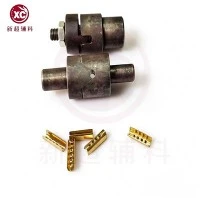
Buttons, snap fasteners, and eyelets are not always interchangeable simply because they look similar. Their construction and installation requirements may differ, and the setting die must be compatible with the specific component.
For example, a garment factory may already have a press and setting die for an existing eyelet. If a replacement eyelet has a different structure, the existing die may not produce the required flared edge or secure attachment. The buyer could receive a visually acceptable component but still encounter installation problems on the production line.
Changing the fastener after the production process has been established can also introduce extra tooling costs and delays.
What buyers should check: Tell the supplier whether the factory uses a manual press, pneumatic equipment, or an automatic setting machine. If the order involves a new fastener or a replacement supplier, confirm compatibility with the existing tooling and carry out an installation trial before releasing the bulk order.
4. Choose the Finish With the Complete Garment in Mind
Metal fasteners often serve as visible design details. Their finish can influence whether the garment looks coordinated and consistent with the approved design.
However, selecting a finish from a product photograph alone can be misleading. Screen colors vary, and the appearance of a metal surface can change under different lighting conditions. A gold-finish button, for example, may look different beside the garment fabric than it does in an isolated product image.
Problems can also arise when several metal accessories are sourced separately. A garment may use buttons, eyelets, cord ends, and metal hooks, but finishes described using the same general color name do not necessarily look identical.
What buyers should check: Request physical samples for important color decisions. Where several accessories will appear on the same garment, compare them together under consistent lighting. If color consistency is critical, establish an approved reference sample and confirm the acceptable variation before bulk production.
5. Balance Design Preferences With Production Practicality
A fastener that looks attractive in a design proposal may not be the most practical option for the garment's construction or production volume.
A customized metal accessory may require new tooling, additional development time, or a different installation process. A standard component may be easier to source and replace, but it may not deliver the exact appearance required by the design.
The right decision depends on the order. For a distinctive fashion item, customization may be justified. For a large production run with tight delivery requirements, an existing product that meets the design and performance requirements may reduce development risk.
Buyers should also consider what happens after the first order. If a style will be reordered, the availability of the same component, finish, and compatible tooling can affect production consistency.
What buyers should check: Ask suppliers to distinguish between standard products and customized options. Confirm any tooling requirements, sample lead time, minimum order quantity, and expected replenishment arrangements before choosing a solution. Compare the total sourcing implications rather than considering the unit price alone.
6. Approve the Fastener on the Finished Garment
A loose component can appear acceptable during sample review but produce an unsatisfactory result after installation.
A button may sit unevenly, an eyelet may distort the surrounding fabric, or a snap button may be difficult to operate. These problems are easier to identify when the fastener is installed on the actual garment construction.
This is particularly important when the garment includes lining, reinforcement, folded fabric, or multiple layers. A test carried out on a simplified sample may not represent the conditions of mass production.
What buyers should check: Review the installed fastener, not just the loose part. Check its appearance, alignment, attachment security, and operation. For products that will be installed in large quantities, conduct a production trial using the intended fabric, equipment, and setting die. Keep the approved sample as a reference for the bulk order.
7. Give the Supplier Enough Information to Recommend the Right Product
A request that says only "metal button for a jacket" or "eyelet for a hoodie" leaves important questions unanswered. Suppliers may need to make assumptions about fabric thickness, installation, finish, and intended use, increasing the risk that the proposed product will not suit the actual application.
A more useful inquiry explains what the fastener needs to do and how it will be used. Buyers do not need to know every technical detail before contacting a supplier, but they should provide enough information for a meaningful recommendation.
For a garment fastener inquiry, useful information includes:
Garment type and intended application
Fabric sample or fabric construction
Reference photos or an existing fastener sample
Preferred appearance and finish
Installation equipment, if already established
Order quantity and target delivery schedule
Any specific testing, safety, or performance requirements
With this information, the supplier can assess whether a standard product is suitable, whether a sample trial is needed, or whether customization should be considered.
Final Thoughts
Choosing fasteners for different clothing styles requires more than matching a product to a garment's appearance. Fabric construction, end use, installation compatibility, finish consistency, and production requirements all affect whether the selected component will work as intended.
For garment manufacturers, the most reliable approach is to evaluate the fastener in its actual application before committing to bulk production. A sample that has been installed and checked under realistic conditions provides a much stronger basis for approval than a product photograph or a loose component alone.
At XCButtons, buyers can discuss metal garment accessories and related setting dies in the context of their intended applications. Providing garment details, reference samples, and installation requirements early helps both sides assess product suitability before moving into production.